Home / What We Source
Source by specification, not by catalogue image.
Each category needs its own approval points, packaging plan and local handoff. Start with the item list and the work the product must do on site.

01 · Categories we can assess
Four categories, each with its own file.
We list a category only where we can show how it is specified, checked and delivered. Windows, building materials and mechanical systems are outside this scope.


Category 01
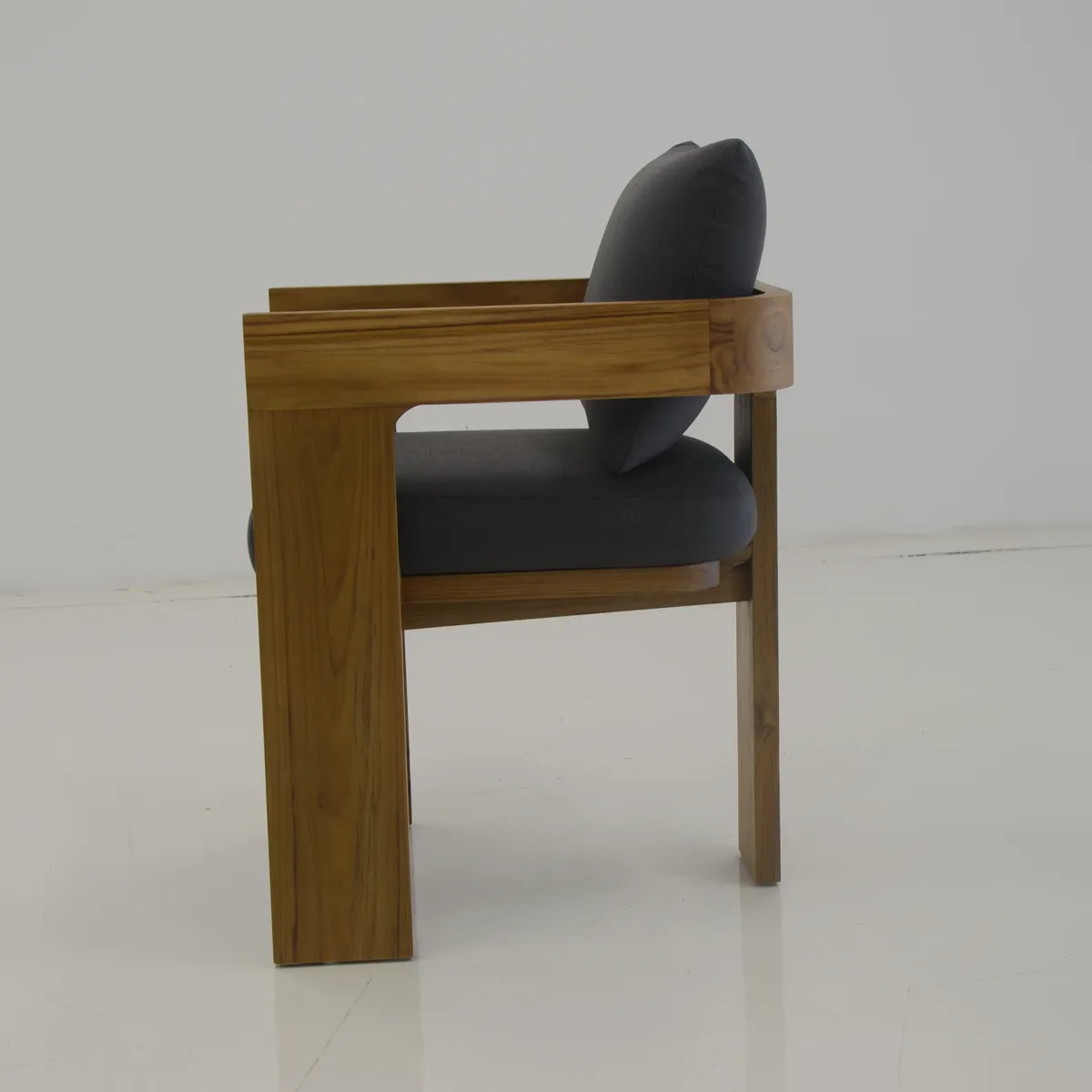
Tables & case goods
Dining and coffee tables, consoles, bookcases, nightstands, cabinets.
Must be specified
- Overall and clearance dimensions
- Solid timber or veneer, and the species
- Stain reference and sheen
- Hardware by name: runners, hinges, glides
- Edge profile and top thickness
Needs a sample or sign-off
- Stain on the actual species
- A hardware sample
- For extending tables: the mechanism, opened
Typical risks
- Colour varying between batches
- Veneer movement across a wide top
- Corners knocked in transit


Category 02
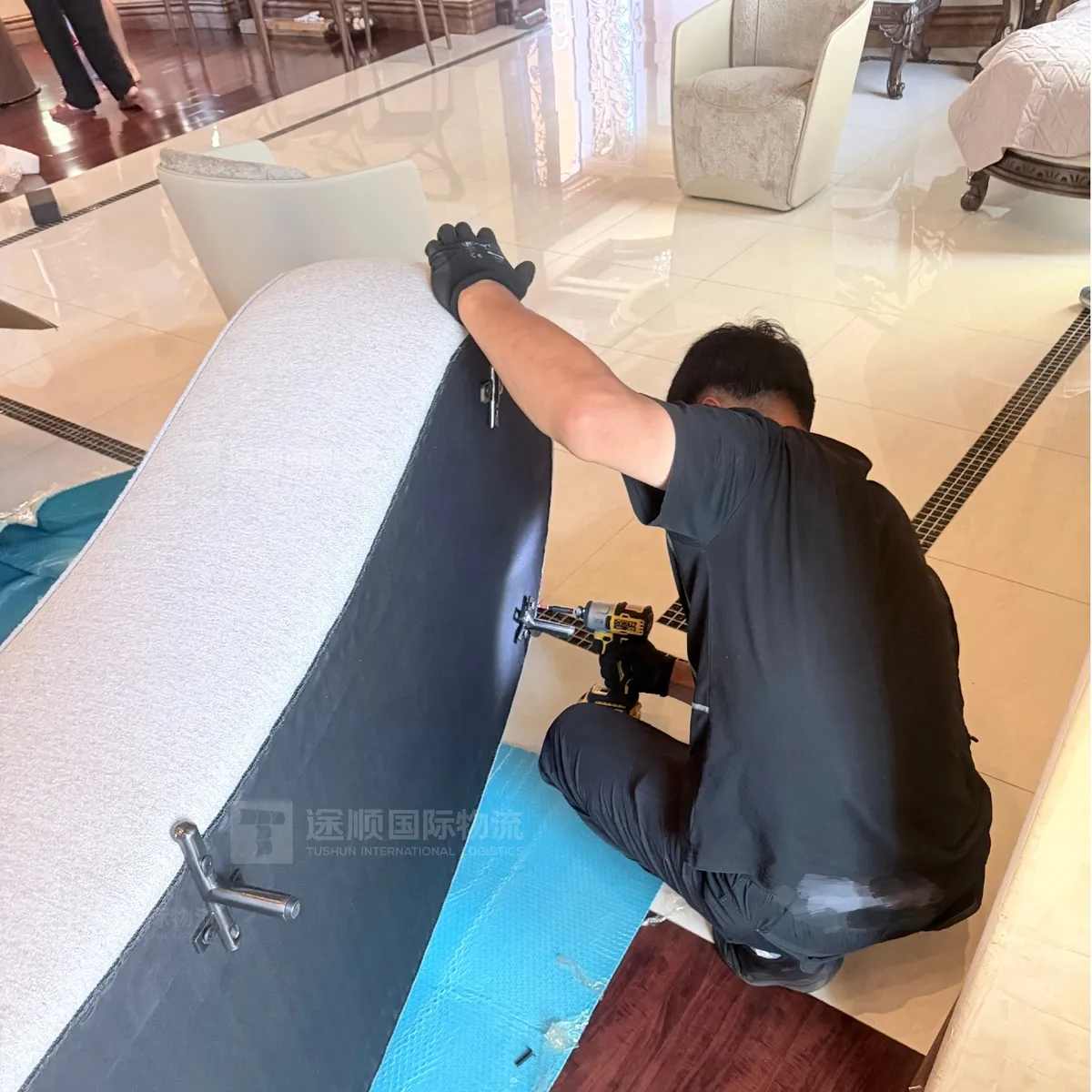
Seating & upholstery
Sofas, sectionals, armchairs, dining chairs, benches.
Must be specified
- Frame timber and joinery
- Suspension: webbing or springs
- Foam density and layers
- Fabric or leather reference
- Seat height and depth
Needs a sample or sign-off
- A sit test on the real build
- A fabric or leather cutting in hand
- Seam, piping and tufting detail
Typical risks
- Comfort judged from a photo
- Colour on screen against colour in a room
- Sofas ship a lot of air: volume drives freight


Category 03
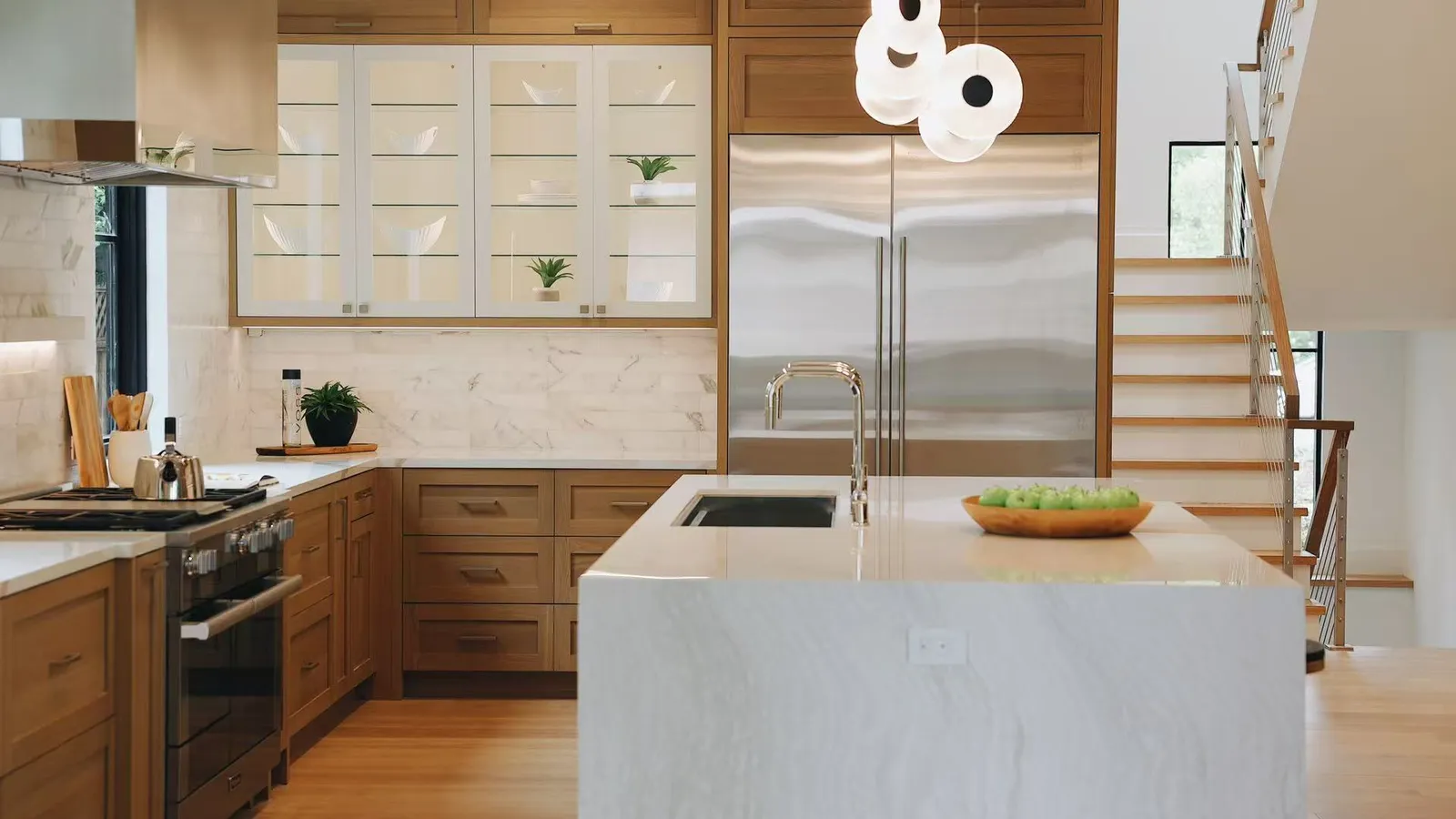
Beds
Upholstered and timber bed frames, headboards, storage bases.
Must be specified
- Mattress size standard of the destination
- Slat system and centre support
- Headboard height against windows and sockets
- Storage mechanism, if any
- Knock-down design for stairs and lifts
Needs a sample or sign-off
- Headboard fabric
- A corner section with the fixing
- The assembly sequence, photographed
Typical risks
- The wrong mattress standard
- A headboard that will not turn the stair
- Missing assembly hardware on site


Category 04
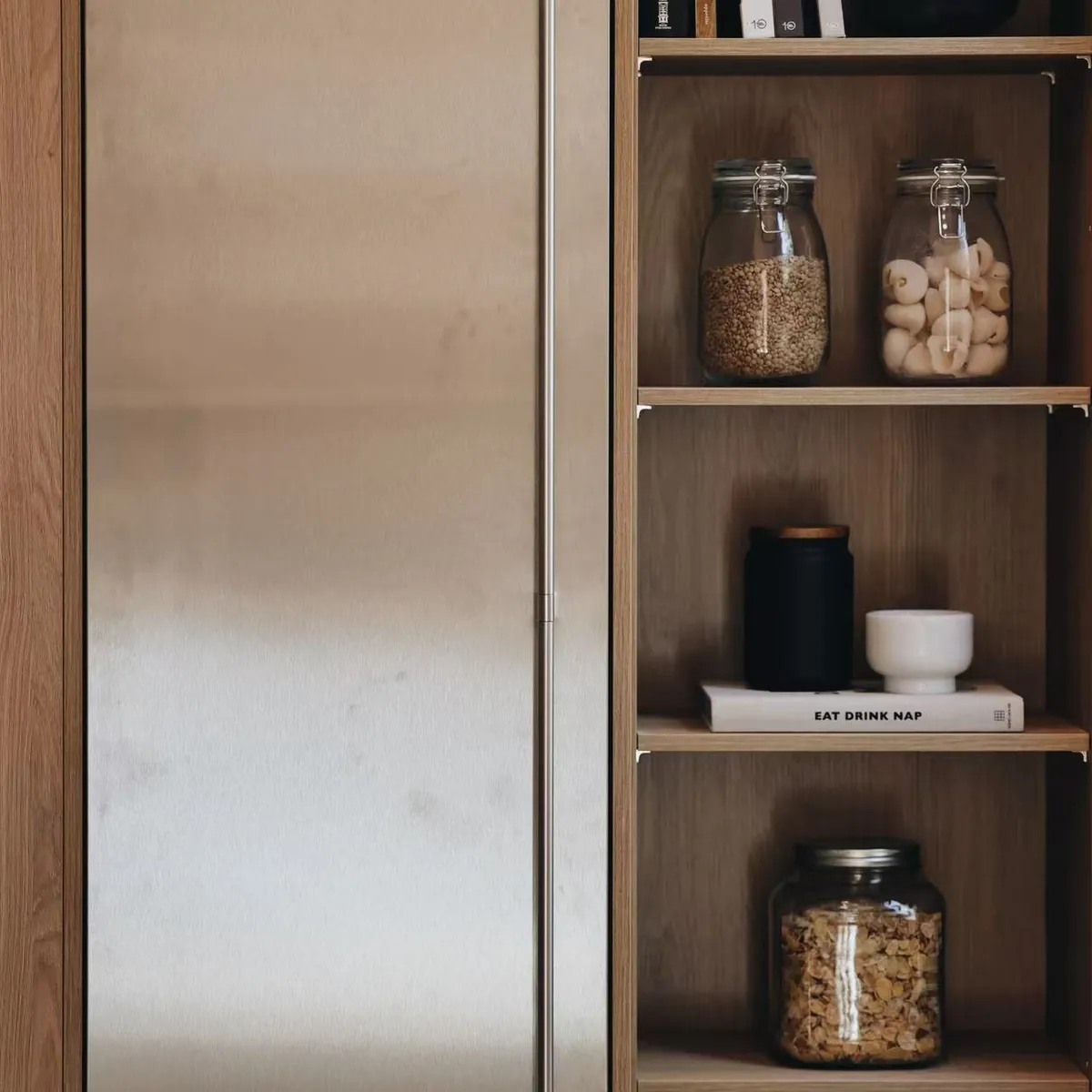
Fitted cabinetry & millwork
Kitchens, pantries, wardrobes, built-in shelving and wall panels.
Must be specified
- Openings measured on site
- Services and appliance interfaces
- Carcass, door and panel materials
- Hardware brand and model
- Installation sequence and fixings
Needs a sample or sign-off
- A drawing signed by the person responsible for site dimensions
- Appliance models confirmed
- A finish sample on the real substrate
Typical risks
- Site sizes changing after sign-off
- Electrical and plumbing interfaces
- It needs a competent local installer
Next stepHave a list across several categories? Send it as it is.
02 · Before production
What needs a sample or a local sign-off.
Three kinds of decision that a catalogue image cannot make for you.

Sit on it. Hold the fabric.
Seat comfort, fabric hand and leather grain are approved on the physical thing — a sample, a cutting or a first piece.

Open it. Close it.
Extending tables, storage beds and recliners are run through their movement on the factory floor, and photographed doing it.

Measure it where it goes.
Fitted work is drawn to openings re-measured locally and signed by the person responsible for the site.
Next stepThe seven fields that make a sample or drawing binding.
03 · After the factory
What changes shipping and installation.
The same item list can mean very different freight and labour.
- VolumeUpholstery ships air; freight is priced by space
- Fragile partsStone, glass and mirrors go in crates, not cartons
- Split packingTops, bases and hardware numbered to one item code
- Access routeStairs, lifts and door widths decide knock-down design
- Who assemblesNamed before production, with an install pack
- Spare partsHardware, fabric and touch-up sent with the order
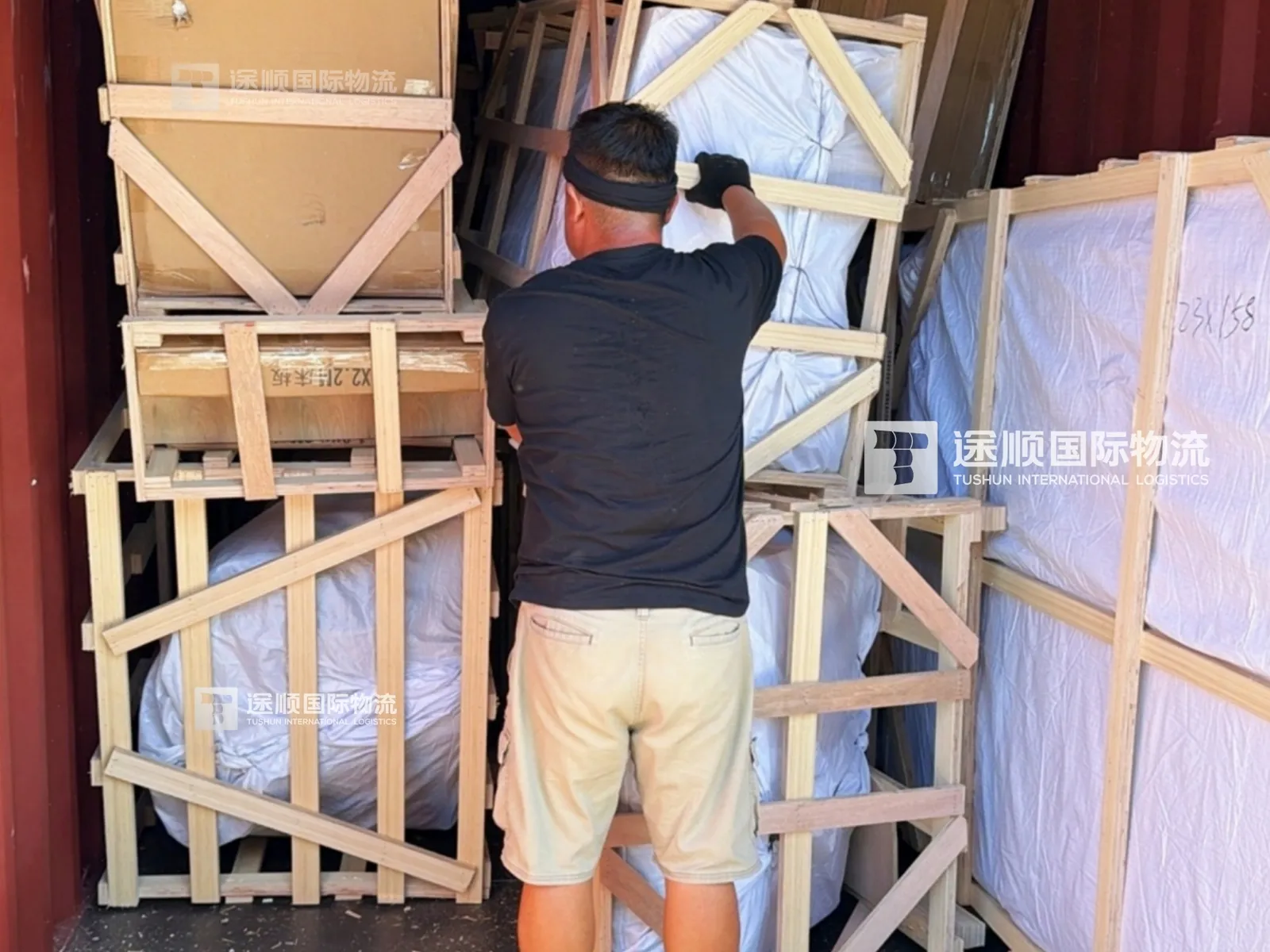


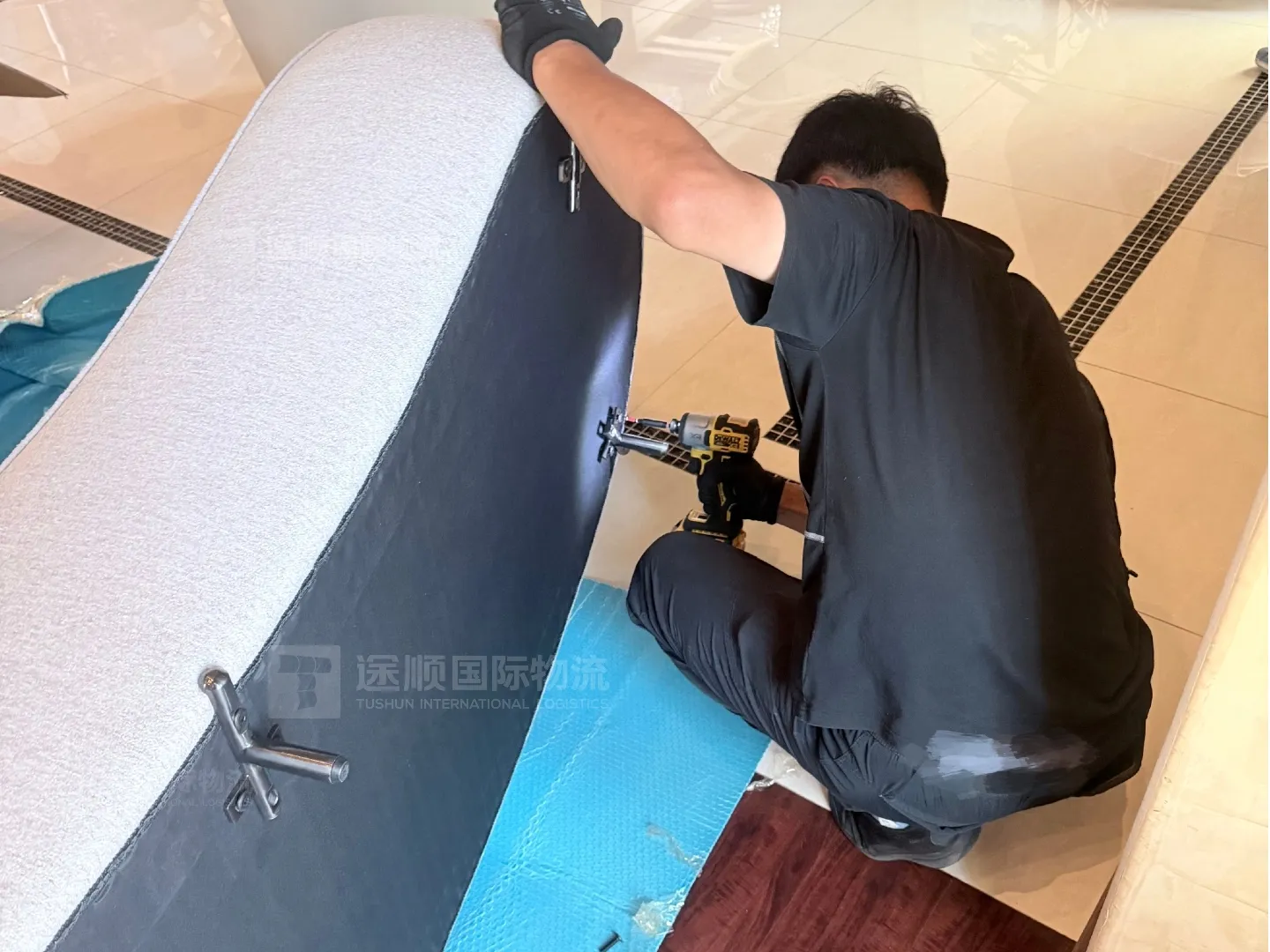

Next stepWho unloads, carries in and assembles is a scope, not an assumption.
04 · Start here
Send an item list.
A list with rough sizes, quantities and where each piece goes is enough to tell whether a category is worth assessing.


Pieces photographed at the factory before packing. They show what was made, not stock for sale.