Home / Blog / Cost & Quotes
How to read a furniture quote from China, line by line
How to read a furniture quote from China: what each line must state, what the price term leaves out, and the gaps that make two quotes impossible to compare.

- A quote is an offer. Each line should describe one item well enough to check it against a drawing.
- The price term and the named port say what the unit price does and does not cover.
- Packing data (carton size, volume, gross weight) is what lets you estimate freight.
- Two quotes can only be compared when the description, price term, packing and lead time match.
A furniture quote from China is a priced list of item lines, and each line should state the item code, specification, quantity, unit price, price term, packing and lead time. If any of those is missing, the price on that line cannot be compared with another factory’s.
Source: how we read quotes against a specification before an order is placed. The layout below is illustrative; every factory formats its quotation differently, so match the fields, not the template.
What is a furniture quote from China?
It is the factory’s written offer to make stated items, in stated quantities, on stated terms. It is not yet an order. The order is what you accept in writing afterwards, commonly a proforma invoice or a sales contract, and that is the document you pay against. Read the quote as a draft of that contract.
Which lines should every quote contain?
Thirteen fields cover almost every quote, and a gap in any of them is a question to send back. The table shows what each should say.
| Field | What it should say | If it is vague |
|---|---|---|
| Item code and name | Your code, not only the factory’s | Pieces get confused on a multi-room order |
| Dimensions and tolerance | W × D × H, with the permitted variation | No pass or fail line at inspection |
| Material and finish | Species or board type, finish name or code | The factory may substitute |
| Fabric or leather | Grade, code, colour, whether supplied by you | Fabric may be priced separately |
| Hidden components | Foam type and density, hardware, mechanisms | The cheapest option fills the gap |
| Quantity | Per piece or per set; any minimum order | A set price read as a piece price |
| Unit price and currency | One price per line, in one stated currency | Lump sums hide what was included |
| Price term and port | For example FOB, with a named port | Unclear who pays what, and where |
| Packing | Carton or crate, carton size, volume, gross weight | Freight cannot be estimated |
| Lead time | Weeks, and the event that starts the count | The clock starts on a date you did not expect |
| Payment terms | Deposit, balance, and what releases each | Cash flow surprises |
| Validity | The date the price holds until | The price moves before you decide |
| Exclusions | What is not in the price | Extras appear later |
Illustrative: a field checklist, not a factory’s form. Not every order needs every row.

How detailed should the description line be?
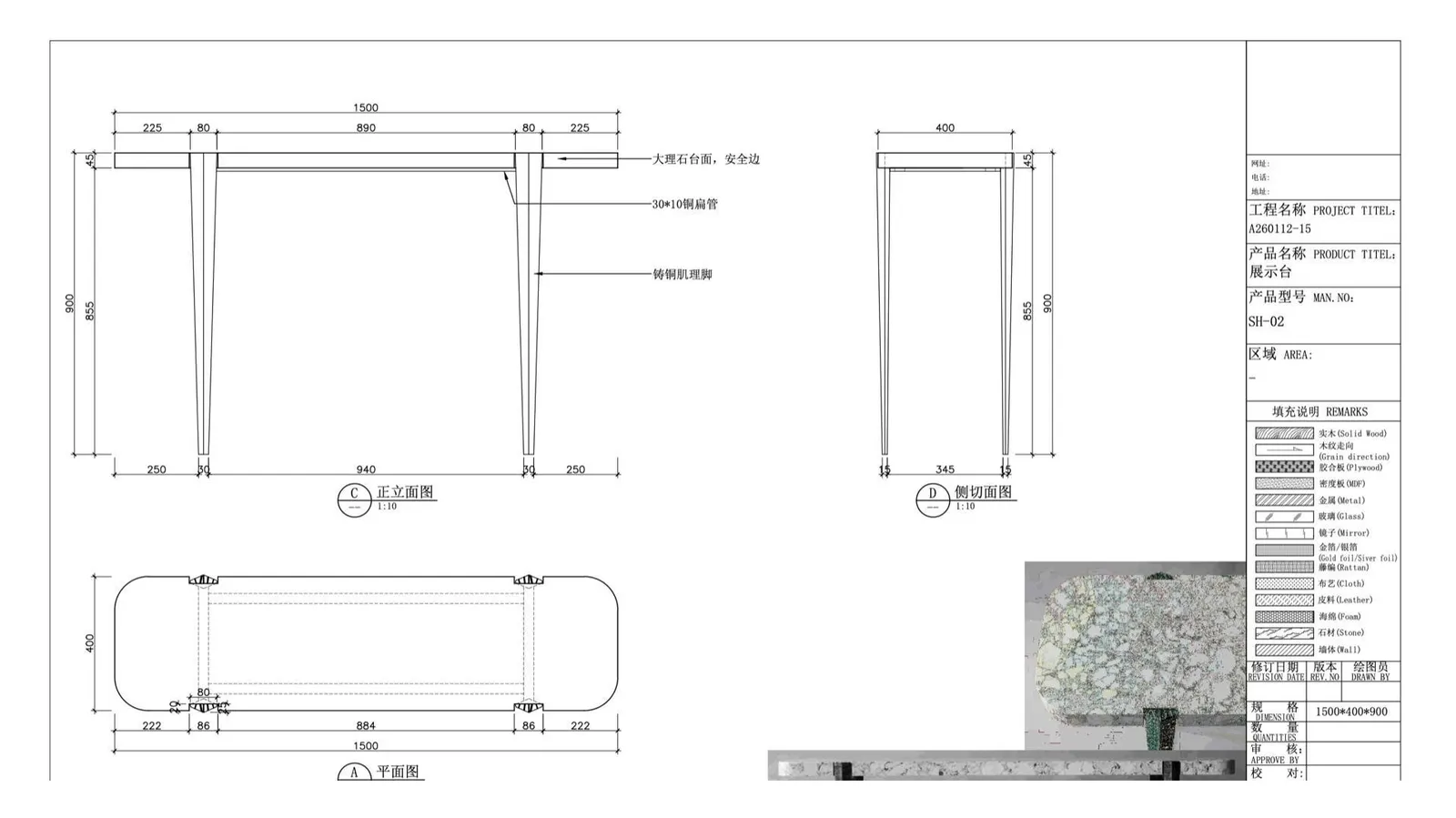
Detailed enough that someone could measure the finished piece against it. “Three-seat sofa, grey fabric” can be built in many ways at many prices. “Item SF-01, W2200 D950 H820 mm ±10, hardwood frame, high-resilience seat foam, fabric code and colour as per approved swatch” can be checked. When a description is short, the factory has chosen the gaps for you, and it may choose the cheaper option.
This is why the specification should exist before the quote is requested. The fields a factory needs are set out in the furniture specification sheet. Send the same sheet to every factory you ask.
What does the price term tell you?
It tells you where the factory’s responsibility for the goods ends, and therefore which costs are still yours. A price quoted FOB (free on board) with a named port generally covers the goods, export packing and delivery to that port, loaded on the vessel. It does not cover ocean freight, insurance, import duty, or delivery to your address. EXW (ex works) leaves even more with you.
Price terms are defined in the Incoterms rules published by the International Chamber of Commerce, but factories sometimes use the letters loosely. Ask what the price includes in plain words, and make sure the port is named. The terms are compared in FOB, EXW, CIF and DDP for furniture.
Why do the packing and volume lines matter?
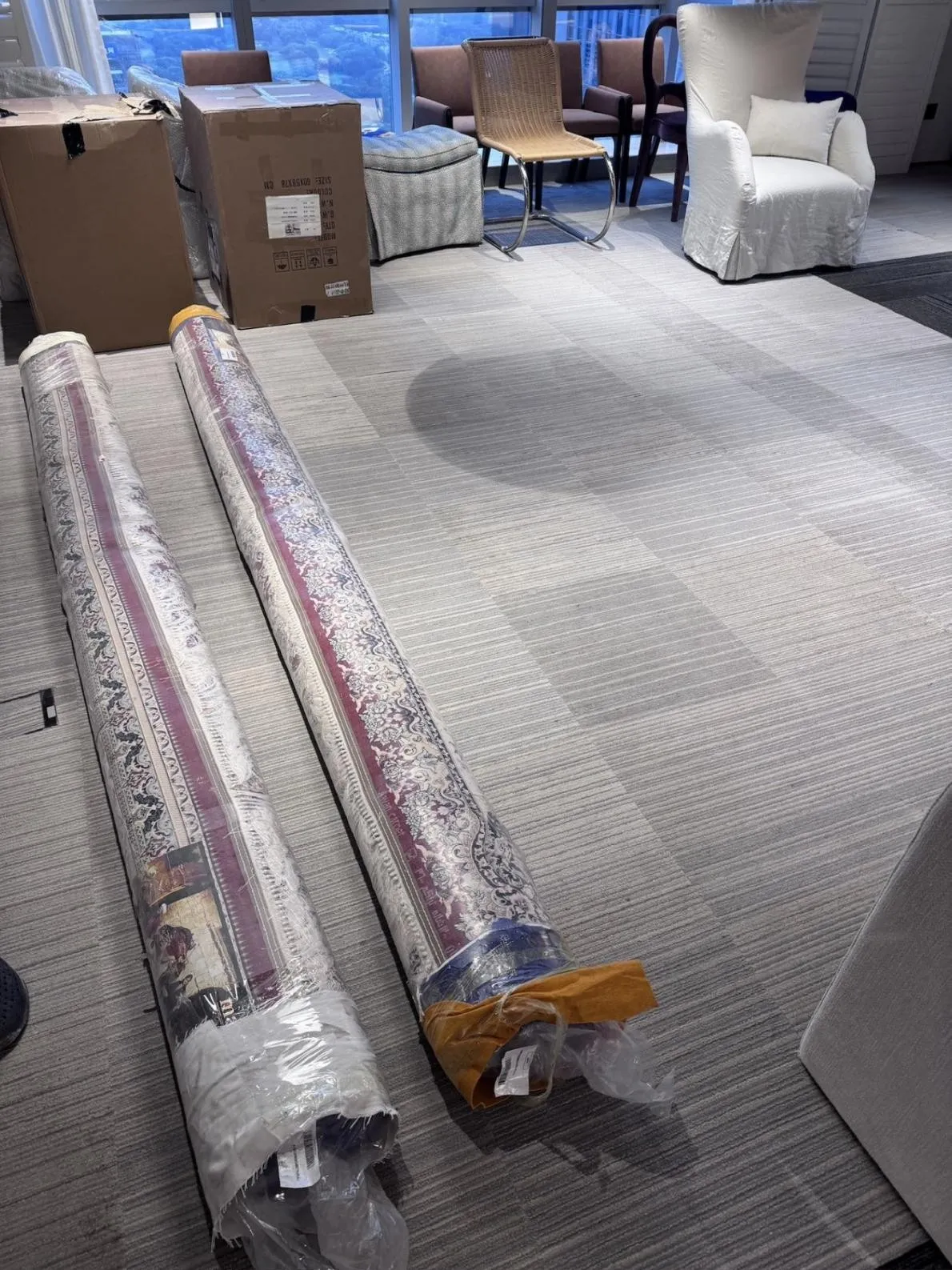
Because volume and weight drive freight, and the factory is the only party who knows the packed size. Ask for the carton or crate dimensions, the number of cartons per item, the volume in cubic metres (1 m³ is about 35 ft³) and the gross weight. Multiply by quantity and you have the freight basis for the whole order. Stone and glass pieces are usually crated, which changes both volume and price.
The method for turning cubic metres into a freight estimate is in estimating freight from volume.
What is usually left out of a quote?
Anything the factory does not consider part of making the piece. Common examples to ask about by name:
- Sample fees, and whether they are refunded against the order.
- Tooling or moulds for custom parts.
- Upgraded export packing, such as crates.
- Third-party inspection and test reports.
- Spare parts and touch-up materials.
- Assembly, if the piece ships knocked down.
Currency is a related gap. A price in RMB or in US dollars can both be normal; what matters is how long it holds and who carries a rate movement. Ask for the validity date in writing. A checklist of costs that arrive after the factory price is in costs that appear after the factory price, and the rate question is covered in quote validity and the RMB rate.
How do buyers misread quotes?
Mostly by comparing prices that describe different things. The patterns that recur:
- One factory quotes the sofa with a fabric allowance, the other quotes the frame and prices fabric by the metre.
- A table is priced alone in one quote and with its chairs in another.
- A lump-sum “package price” is accepted without per-item lines, so a single item cannot be changed or removed with a known effect.
- Lead times start at different events: deposit received, sample approved, or materials arrived.
- The cheapest quote is the one with the shortest description.
Lay the quotes side by side, one row per item, with the same columns. Blank cells are the finding.
Putting thirteen fields into one sheet
Before you compare any prices, put the thirteen fields into one sheet and send the same specification to every factory. Where a quote leaves a field blank, ask for it in writing and wait for the answer before you compare. How costs are tallied once the goods leave the factory is on the Cost & Fit page.
FAQ
Is a quote a commitment to supply at that price?
Not by itself. A quote usually holds only until its validity date, and the commitment is made when both sides confirm the order in writing. Check the validity date and keep the version you accepted.
Should the price be per piece or per set?
Either, as long as each line says which. For a dining set, ask for the table and the chairs priced separately as well as together, so you can change the number of chairs without a new quote.
What should I do with a single lump-sum quote?
Ask for it broken into item lines. If the factory will not itemise, you cannot see what a change costs or what was excluded, and you cannot compare it with anything else.
Next stepWorking through this for a real order? Send the item list and the destination.