Home / Blog / Working with Chinese Factories
Factory, trading company or sourcing agent: who is in the transaction?
Up to seven parties can touch one furniture order. Here is what each one does, who invoices whom, and the five checks that tell a maker from a trader.
- A furniture order can involve seven parties, from the buyer to the installer.
- A factory makes; a trading company sells what others make; an agent coordinates and is paid a fee.
- The useful question is not which one is “best” but who invoices each payment.
- Five checks tell you what a supplier is, and two of them are often still open.
A factory makes the goods, a trading company resells them, and a sourcing agent coordinates the order for a fee. None is wrong to buy from. What matters is that you know which one you are dealing with, who invoices each payment and who answers when something goes wrong.
Source: the role map and supplier record we use on our own projects. No supplier is named here.
Who are the seven parties?
| Party | Does | Money |
|---|---|---|
| Buyer | Approves specification, samples, fees and balance | Pays per schedule |
| Sourcing agent | Checks suppliers, aligns quotes, follows production | Service fee |
| Maker or trader | Builds, or buys in, to the signed drawing | Invoices the goods |
| Inspector | Checks against the signed version | Fee, if independent |
| Forwarder | Consolidates, ships, delivers to the agreed point | Freight quote |
| Importer and customs | Clears the goods at destination | Duties and taxes |
| Receiver and installer | Receives, carries in, assembles | Local labour |
How do you tell a factory from a trading company?
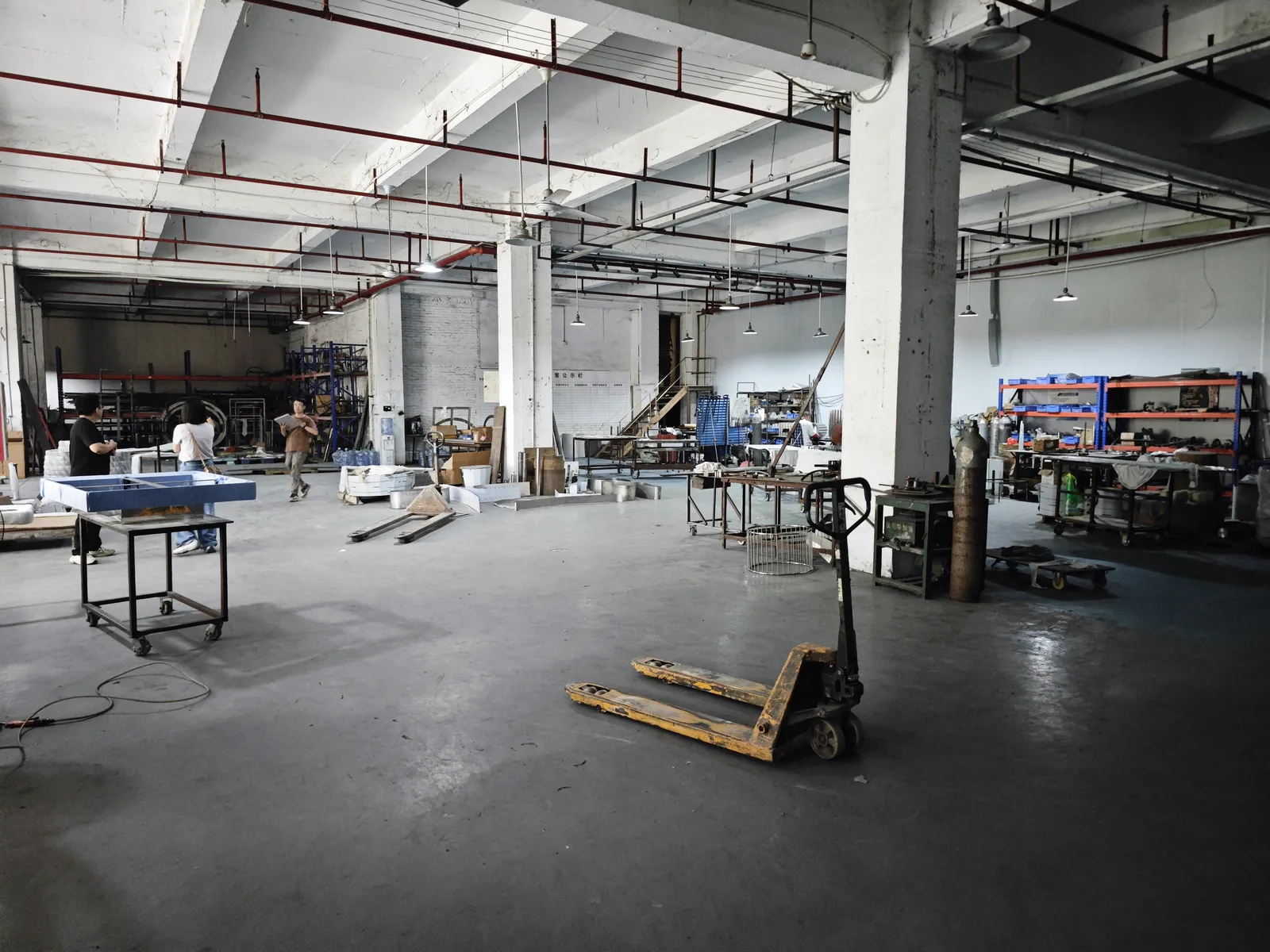
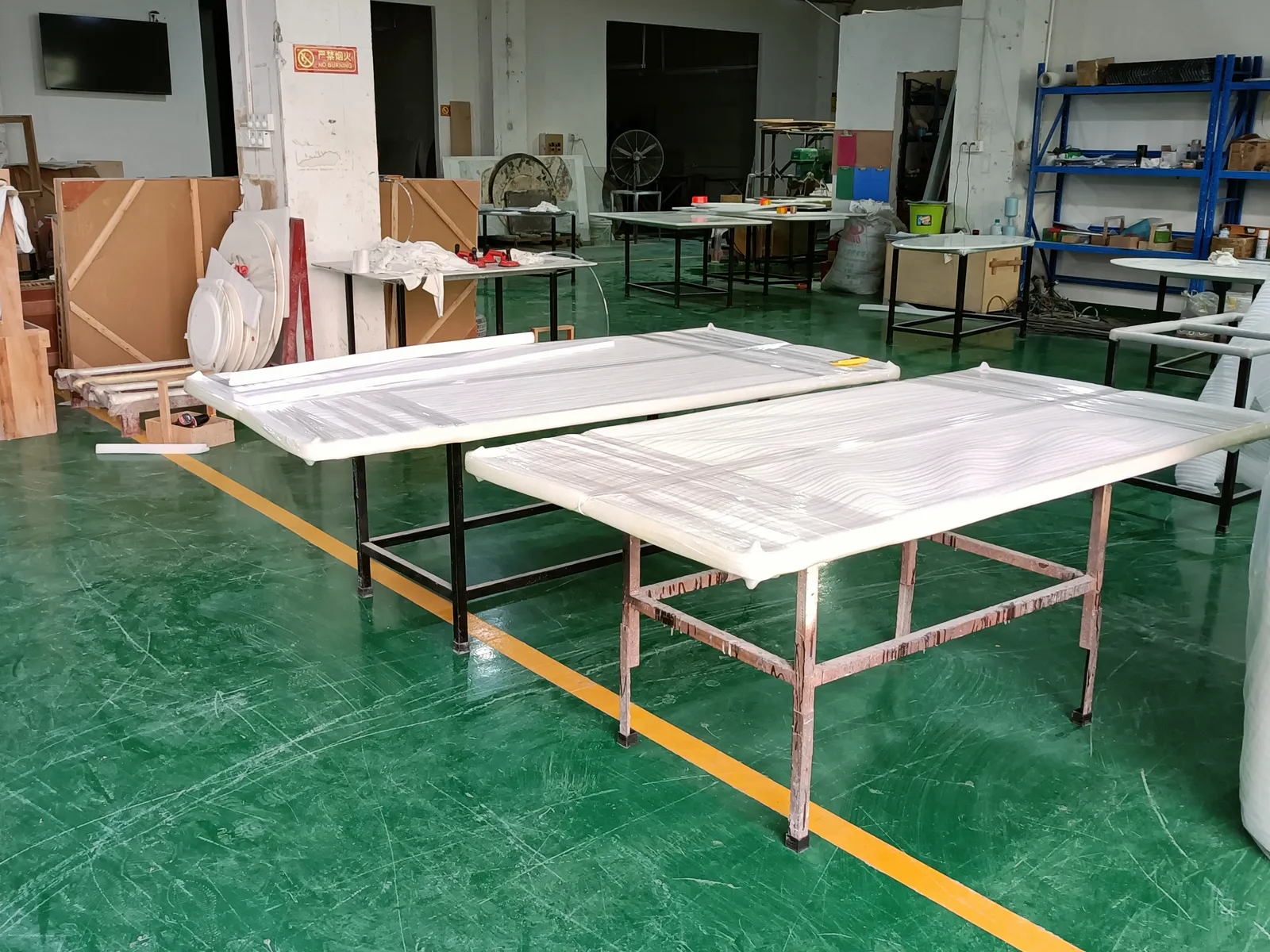
By evidence, not by what the website says. We record five things and show which are confirmed and which are still open:
- Maker or trading company, stated, with the business registration.
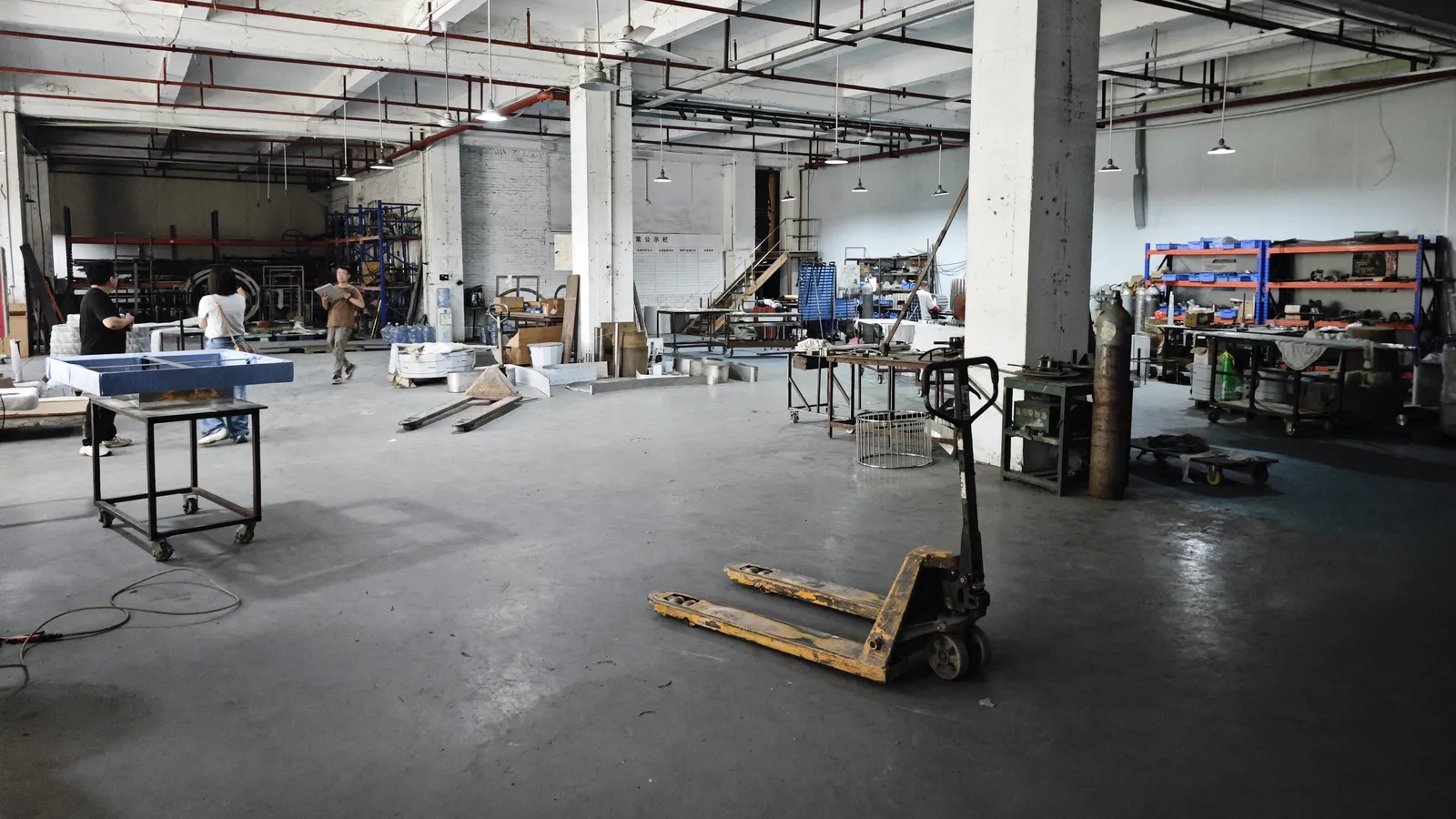
- Production capacity for the category, seen on site or evidenced.
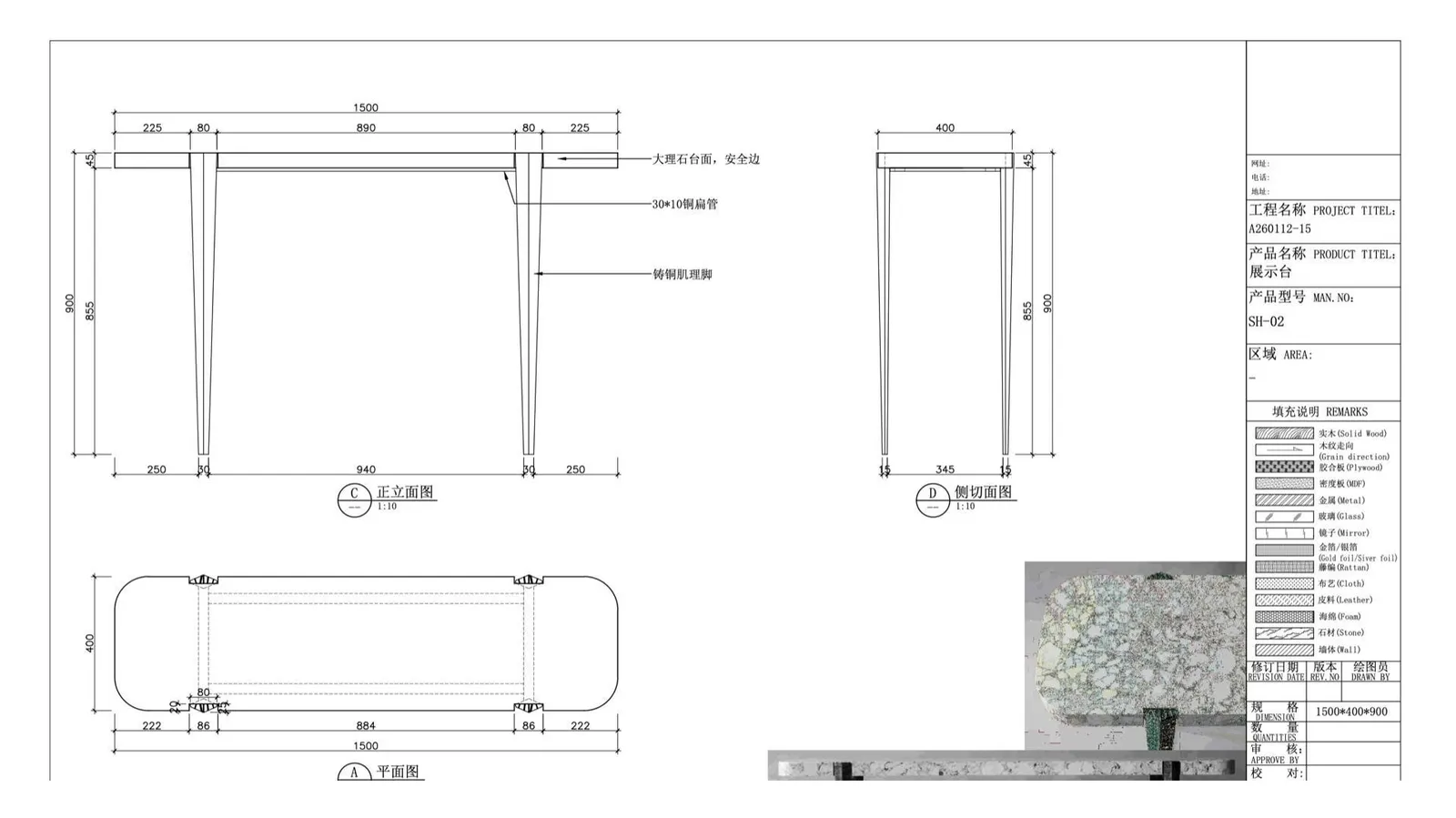
- A sample that matches the specification, checked against the signed sheet.
- Past deliveries that can be verified.
- A payment entity that matches the invoice: a bank account in the company’s name.
The last two are the ones most often still open. We say so rather than write “certified factories only”.
What does a sourcing agent’s fee cover?
On our projects the fee covers supplier search and checks, quotes to one specification and production follow-up. Samples are charged by the factory. Independent inspection is optional and paid to the inspector. Freight and insurance go to the forwarder. Any commission from a supplier is declared in writing. The full table is on the fee disclosure.
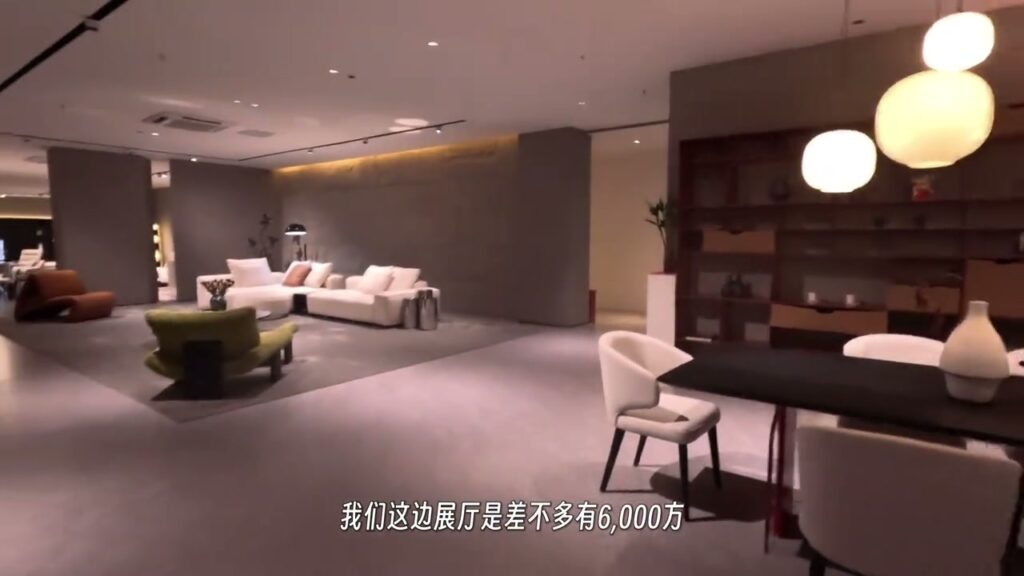
For a filmed showroom example of how buyer fees and supplier commissions can affect a tour, read the Foshan furniture buyer analysis. Its figures are attributed to the speakers, not treated as standard rates.

What this means for an overseas buyer
Before a deposit, ask for two documents: a role map naming the invoicing entity for every payment, and a supplier record with its open items visible. If either cannot be produced, the transaction is less clear than the price suggests.
FAQ
Is buying direct from the factory always cheaper?
Not once quotes are aligned to one specification and the work an agent does is priced. Compare the delivered cost, not the first number.
Can I nominate my own factory?
Yes. It is checked the same way, and what is confirmed and what is open is recorded.
Will I see the factory’s original quote?
How much of it is visible should be agreed in writing before work starts.
Next stepWorking through this for a real order? Send the item list and the destination.